WordPress is one of the most trusted website-building platforms available today, making it suitable for beginners, bloggers, businesses, and professional developers. Its flexible design, user-friendly interface, and extensive customization options allow users to build websites that range from simple personal blogs to large online stores and corporate platforms. Whether you have technical experience or are creating your first website, WordPress provides the tools needed to develop a professional online presence.
One of the reasons for WordPress’s popularity is its balance between simplicity and flexibility. Beginners can quickly launch a website using ready-made themes and built-in features, while developers can expand functionality with custom code, plugins, and advanced configurations. The platform continues to evolve, offering modern editing tools and thousands of extensions that allow websites to adapt to changing business and user needs.
The first step in building a successful WordPress website is selecting the right hosting solution. A reliable hosting provider improves website speed, stability, and security while ensuring visitors have a smooth browsing experience. Before launching a site, it is also important to choose a short, memorable domain name that reflects the website’s purpose and is easy for users to remember.
Installing WordPress has become a simple process thanks to automated installation tools provided by many hosting companies. Once the platform is installed, users gain access to the administration dashboard, where they can manage pages, blog posts, images, menus, user accounts, and website settings from one central location. Becoming familiar with the dashboard is essential for efficiently managing a growing website.
Customization is one of WordPress’s greatest strengths. Themes determine the overall appearance of a website, including its layout, colors, typography, and navigation. Choosing a responsive and well-optimized theme ensures the website performs well across desktops, tablets, and smartphones. For projects requiring a unique appearance, developers can build custom themes designed specifically for individual business needs.
The modern block editor makes creating content much easier than traditional editing methods. Instead of writing complex code, users can design pages by arranging blocks for headings, paragraphs, images, videos, buttons, galleries, and other content elements. This flexible editing system allows pages to be customized quickly while maintaining a clean and professional design.
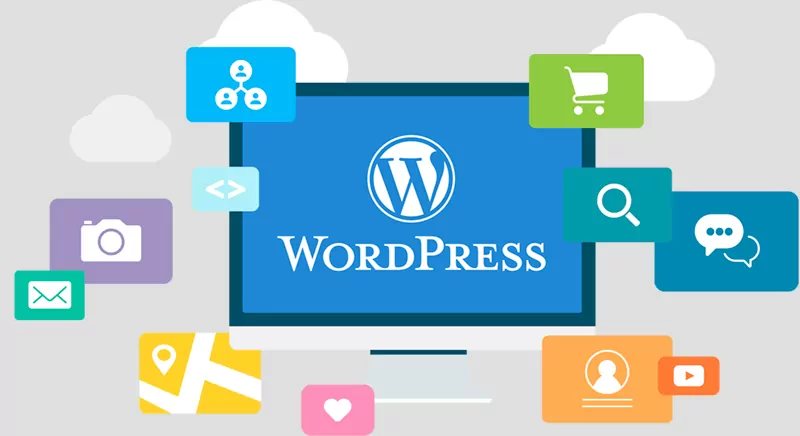
Plugins extend the capabilities of WordPress by adding features that are not included by default. They can improve search engine optimization, strengthen security, create contact forms, optimize images, perform automatic backups, and introduce countless additional functions. However, developers should install only reliable and necessary plugins to avoid unnecessary complexity, performance issues, or software conflicts.
Website performance should always remain a priority during development. Visitors expect fast-loading pages, and search engines reward websites that deliver a smooth browsing experience. Optimizing images, enabling browser caching, minimizing CSS and JavaScript files, reducing unnecessary plugins, and choosing quality hosting all contribute to faster loading times and improved user satisfaction.
Security is equally important when managing a WordPress website. Regular updates to the WordPress core, themes, and plugins help eliminate vulnerabilities and improve compatibility. Strong passwords, secure administrator accounts, encrypted connections, automated backups, and trusted security tools provide additional protection against potential cyber threats and unexpected data loss.
As a website grows, advanced WordPress features become increasingly valuable. Developers can build custom functionality, connect external services through APIs, manage multiple websites from a single installation, and integrate email marketing, analytics, and social media platforms. These capabilities make WordPress suitable for businesses that require scalable and highly customized digital solutions.
Creating high-quality content remains one of the most important aspects of any successful website. Articles should provide value, answer visitor questions, include engaging visuals, and be organized in a clear structure that is easy to read. Well-written content combined with search engine optimization techniques helps attract more visitors and encourages them to return.
Launching a website should always be preceded by thorough testing. Every page, plugin, form, navigation menu, and interactive feature should be checked across multiple browsers and devices to ensure consistent functionality. Testing website speed, mobile responsiveness, accessibility, and overall user experience helps identify problems before visitors encounter them.
Building a successful WordPress website is an ongoing process rather than a one-time task. Regular maintenance, software updates, performance optimization, content improvements, and continuous security monitoring all contribute to long-term success. By following best practices, carefully selecting themes and plugins, focusing on user experience, and maintaining a secure environment, anyone can create a fast, reliable, and professional WordPress website that continues to grow over time.