WordPress is one of the most widely used content management systems available today, powering millions of websites across different industries. It is popular because it combines simplicity with flexibility, allowing both beginners and experienced developers to create professional websites without starting from scratch. Since it is open-source software, anyone can customize its features, making it suitable for personal blogs, business websites, online stores, portfolios, and many other types of projects.
One of the biggest advantages of WordPress is its accessibility. Beginners can create functional websites with little technical knowledge, while developers have complete freedom to customize every aspect of a project. The platform is supported by a large global community that provides extensive documentation, tutorials, and free resources, making it easier to learn and solve problems throughout the development process.
There are several ways to begin working with WordPress. Many developers choose a managed hosting solution that simplifies installation and maintenance, while others prefer setting up a local development environment on their own computer. Local development allows you to build, test, and experiment with websites without affecting a live project. Advanced users may also install WordPress manually on their own servers, although this approach requires more technical knowledge and additional configuration.
After installing WordPress, the first area to explore is the administration dashboard. This control panel allows users to manage every aspect of the website, including pages, blog posts, media files, menus, user accounts, and website settings. Becoming familiar with the dashboard makes it much easier to manage content and customize a website efficiently.
Themes play a major role in determining the appearance of a WordPress website. They define the overall layout, typography, colors, and design elements that visitors see. Thousands of free and premium themes are available, allowing developers to quickly build websites for different industries. For more advanced projects, developers can also create custom themes tailored to specific design requirements.

Plugins are another essential feature of WordPress. They allow users to add new functionality without rewriting the core system. Plugins can introduce features such as contact forms, search engine optimization tools, security enhancements, image galleries, backup systems, online stores, and many other capabilities. Selecting high-quality plugins and keeping them updated helps maintain website performance and security.
Modern versions of WordPress include a block-based editor that makes content creation more flexible than traditional page editing. Instead of writing complex code, users can build pages by combining pre-designed content blocks for text, images, videos, buttons, columns, galleries, and many other elements. This approach makes designing pages faster while still allowing developers to extend functionality through custom blocks when necessary.
Anyone interested in WordPress development should understand several core programming technologies. PHP is the primary language used to build WordPress functionality and generate dynamic web pages. HTML provides the structure of each page, CSS controls the visual appearance, JavaScript adds interactive features, and MySQL manages the database where website content and settings are stored. Learning these technologies provides the foundation needed to customize WordPress and create advanced solutions.
As development skills improve, creating custom plugins becomes an important area of expertise. Plugins allow developers to introduce unique features that are not available by default. Building a plugin typically involves planning its functionality, writing clean and efficient code, testing it thoroughly, and maintaining compatibility with future WordPress updates. Well-designed plugins improve website functionality while keeping the core system untouched.
Custom theme development is another valuable skill. Rather than modifying existing templates, developers can build themes from the ground up to match specific design goals. This process involves creating page templates, styling layouts, adding custom functionality, and ensuring the website works correctly across different devices and screen sizes. Responsive design and accessibility should always be considered during theme development.
Backend development focuses on the systems that power a website behind the scenes. This includes creating custom functionality, managing databases, integrating external services, developing APIs, and improving website performance. Strong backend development allows websites to handle more complex business requirements while maintaining reliability and efficiency.
Testing should be an essential part of every development project. Before publishing changes, developers should use a staging or development environment to verify that new features work correctly and do not create unexpected problems. Careful testing helps reduce downtime, prevents errors on live websites, and ensures visitors have a consistent experience.
Keeping WordPress updated is equally important. Regular updates to the core software, themes, plugins, and server technologies improve security, fix software bugs, introduce new features, and maintain compatibility between different components. Neglecting updates can expose websites to security vulnerabilities and performance issues over time.
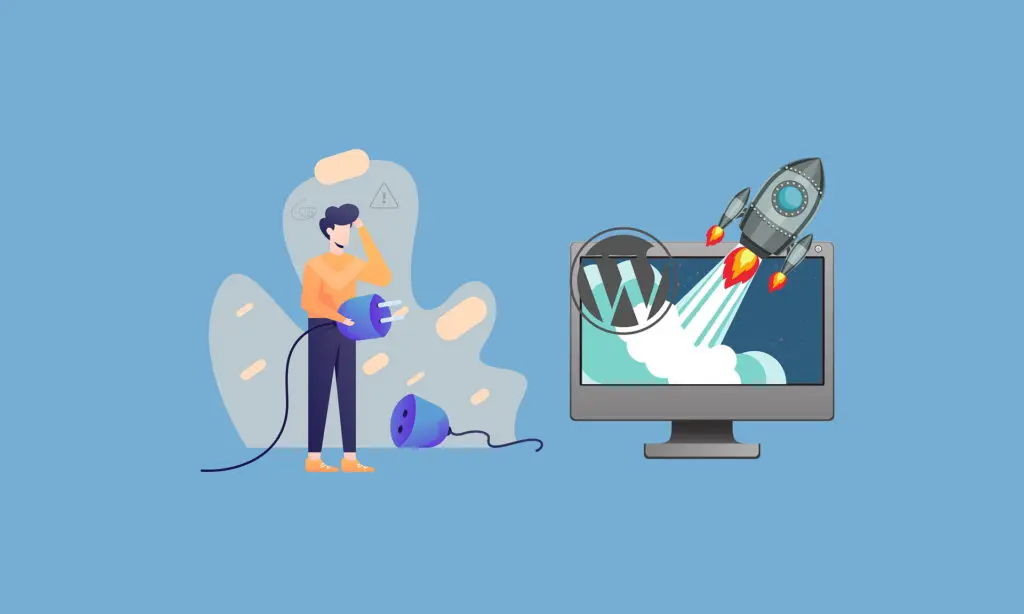
As developers gain experience, they often expand their knowledge beyond the core WordPress technologies. Learning additional programming languages, web frameworks, APIs, version control systems, and automation tools allows developers to build more advanced, scalable, and efficient websites. Continuous learning is an important part of becoming a skilled WordPress developer because web technologies continue to evolve.
WordPress development offers an excellent starting point for anyone interested in web development. By understanding the platform’s core features, mastering the essential programming languages, creating custom themes and plugins, following best practices for testing and maintenance, and continuing to learn new technologies, developers can build secure, fast, and highly customized websites that meet a wide variety of personal and business needs.